Made-to-Order vs In-Stock Furniture: What You Actually Pay For
The short answer: in-stock furniture buys you time; made-to-order buys you choice. The price difference is mostly inventory and production risk, not quality.
Where the cost actually sits
| In stock | Made to order | |
|---|---|---|
| Production | Already done | Starts when you order |
| Storage | Paid by the seller until it sells | None |
| Lead time | 3–7 business days | 15–35 days |
| Returns | 30 days, unopened | Limited — it was made for you |
| Options | Whatever is on the shelf | Sizes, finishes, colors |
When waiting is worth it
- The room has an awkward dimension and a standard size will not fit.
- You need a specific finish to match cabinetry or flooring.
- You are ordering for a fixed date — a move-in, a holiday, a shoot — and can plan around the lead time.
When it is not
- You are renting and may move within a year.
- The piece is temporary — a starter apartment, a staging job.
- You need it this week. No amount of patience makes a 30-day production run shorter.
How we work
We are an online retailer, not a manufacturer. Catalogue items sit in U.S. fulfillment warehouses and ship in days. Custom print pieces are produced by our print partner to order, which is why they carry a longer lead time and a different return policy.
Frequently asked questions
Can I cancel a made-to-order item?
Only before production starts. Email [email protected] as soon as you know.
Is made-to-order better quality?
Not automatically. It is better fit. Quality depends on the materials and the maker, in both models.
Why does in-stock cost less?
Because the seller already absorbed the production and storage risk and is passing along the wholesale price.
Planning a room around a lead time
Work backwards from the date you need the room finished. A 25-day production run plus 5 days in transit means ordering six weeks out to leave a buffer for a remake. If the piece is for a holiday or a move-in, order before the season, not during it — production queues lengthen in November and December.
Returns reality for custom pieces
A made-to-order item cannot be resold as new, which is why most sellers limit returns to defects rather than change of mind. Before ordering, confirm the dimensions twice and ask for a material sample if the finish matters. The cost of a remake is usually higher than the cost of waiting a week to double-check.
The middle path
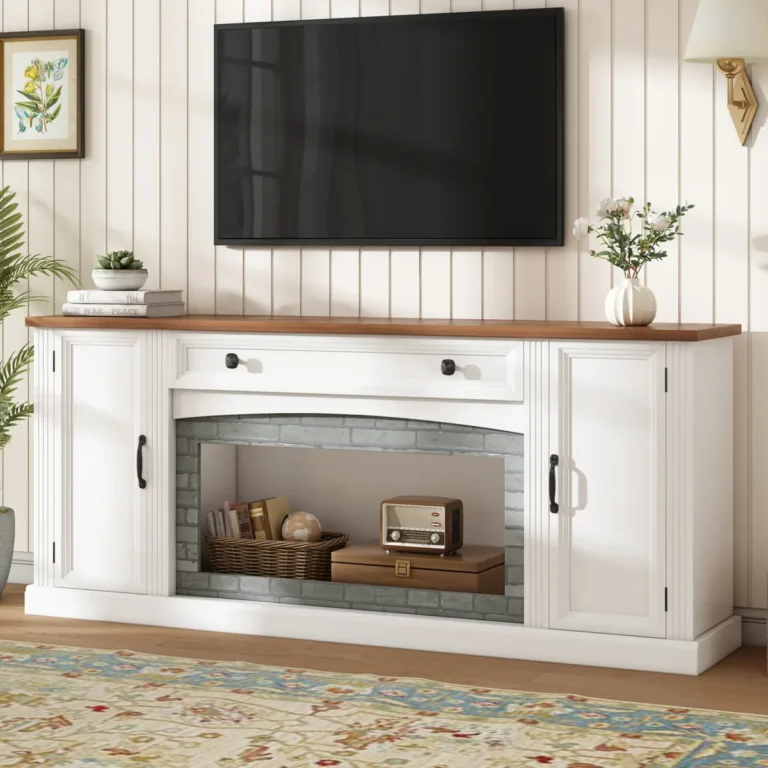
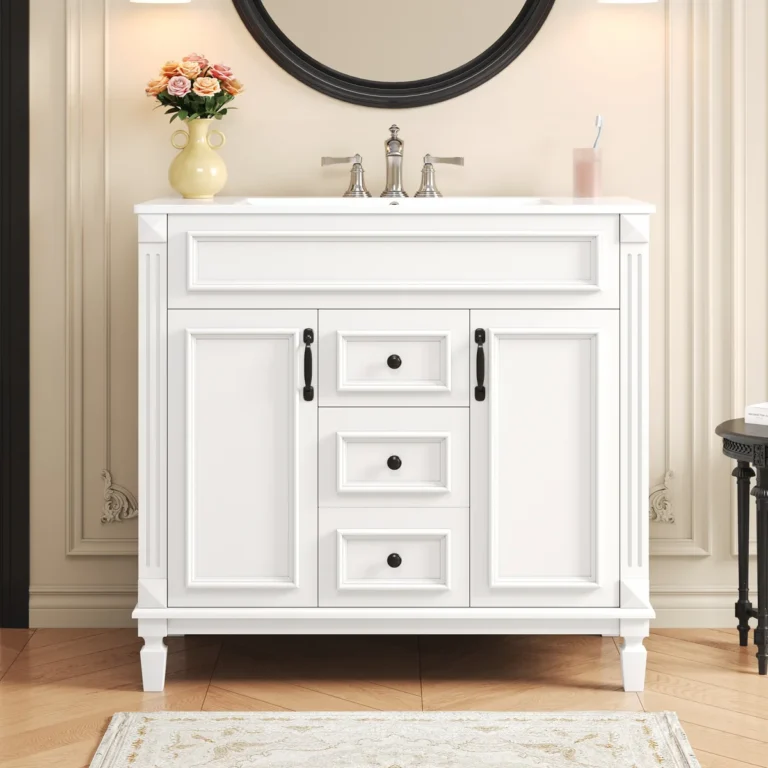
Many rooms do not need full custom. A standard in-stock piece in the right dimensions, plus a made-to-order accent — a print, a cushion cover, a lamp shade — gives you the personal detail without the lead time on the whole room.
How to plan a room around a 30-day lead time
Work backwards from the day the room has to be finished. A 21-day production run plus 5 days in transit means ordering about six weeks out — enough buffer for one remake without moving the date. Ordering in the same week you need it is how people end up buying a stopgap piece they never wanted.
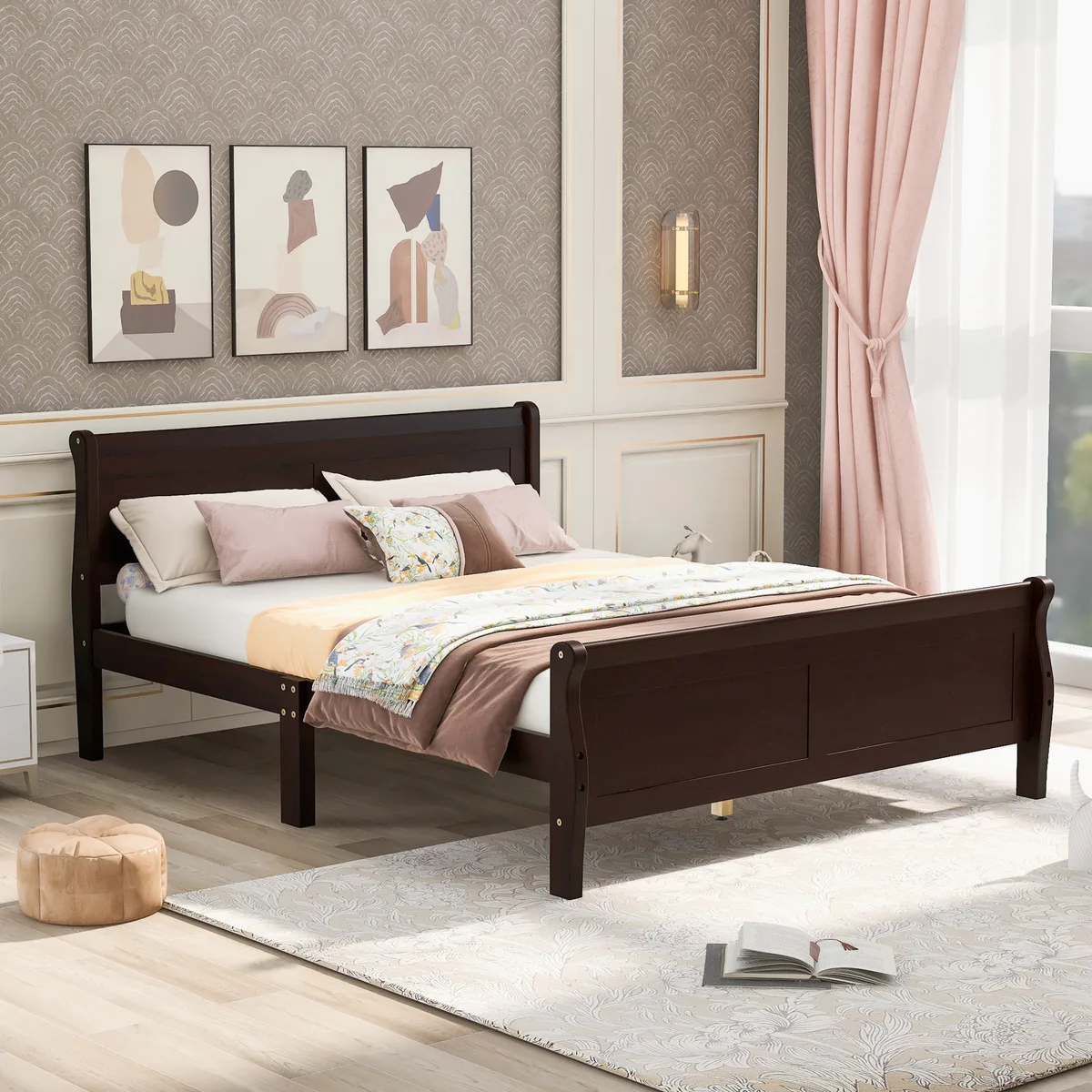
Sequence the room: in-stock pieces first (sofa, bed, storage), made-to-order accents second (prints, cushions, a specific finish). That way the room is usable while the custom piece is in production.
Five questions to ask before you order
- What exactly is the production window, and is it business days?
- Can I cancel before production starts, and how do I do it?
- What happens if the finish is wrong — remake, refund, or credit?
- Is the delivery date guaranteed or estimated?
- Who handles damage — the maker or the retailer?
When a stock piece plus a custom accent wins
Most rooms do not need full custom. A standard sofa in the right dimensions plus a made-to-order print or cushion cover gives you the personal detail without a month of waiting. Reserve true made-to-order for the cases where a standard size genuinely will not fit — an awkward alcove, a specific finish that has to match cabinetry.
Ready to furnish the room? Every piece we carry ships from U.S. warehouses, with sizing notes on each product page.
Shop all furnitureMore buying guides